
Preservatives – Keeping our foods safe & fresh
Updated: March 9, 2026
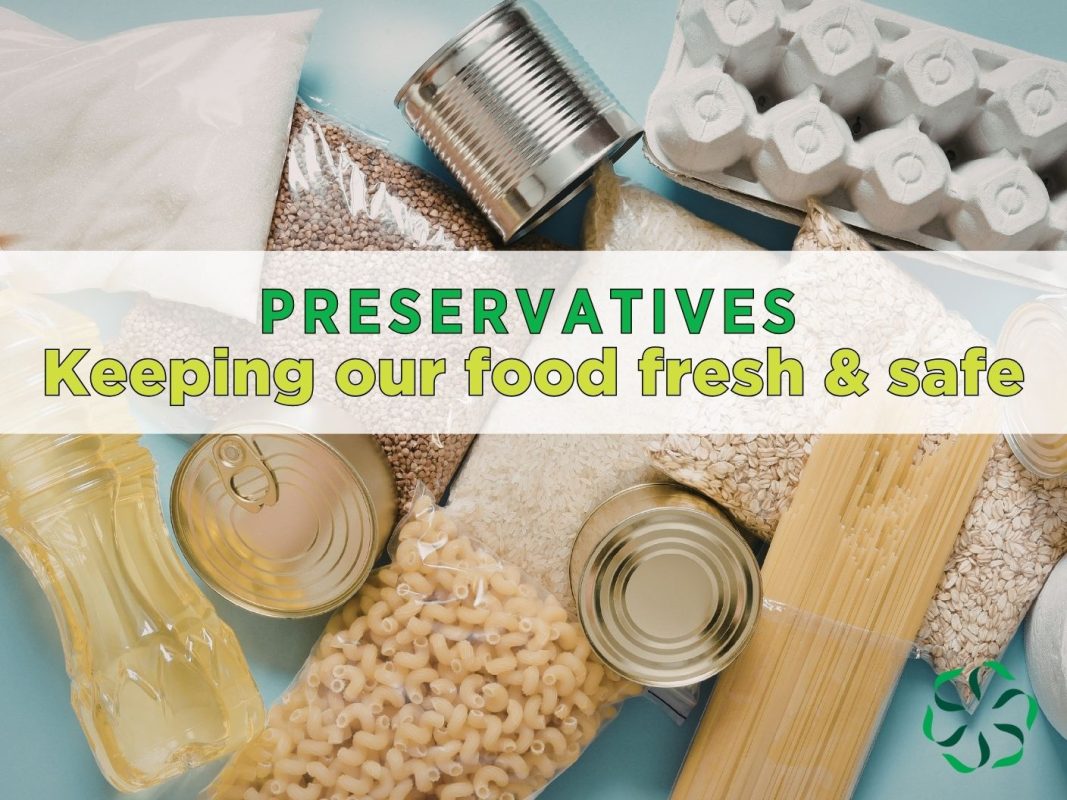
Preservatives are crucial to the preservation, safety, and freshness of the foods in our global food supply system. Many of the foods we enjoy are made possible by modern (and ancient) preservation techniques. Let’s explore the varying ways we keep our foods fresh, safe, and shelf-stable. As conversations on the safety of preservative ingredients increase, we take a high-level look at preservative ingredients.
Top Takeaways:
- Preservatives help prevent microbial growth and oxidation that cause food spoilage.
- Both chemical and physical preservation methods have been used for thousands of years.
- Preservatives help reduce foodborne illness and food waste.
- Approved preservatives are evaluated for safety by regulatory agencies.
- Modern food preservation helps maintain a safe and stable global food supply.
What do preservatives do?
Preservatives are substances added to food to help maintain safety, freshness, and quality. They work by slowing or preventing processes that cause food to spoil, such as microbial growth or chemical reactions like oxidation.
What causes foods to spoil?
Several factors can contribute to food spoilage, including:
- Microbial growth from bacteria, yeast, and molds
- Oxidation that causes fats and oils to become rancid
- Enzymatic reactions that change the color or texture of foods
- Environmental conditions, such as temperature, moisture, and exposure to oxygen
Food preservation methods aim to slow or prevent these processes so that food remains safe and enjoyable to eat.
What are preservation techniques?
There are two ways we typically preserve our foods: chemical preservation with preservative ingredients and physical preservation with preservation techniques.
Chemical preservation involves adding specific ingredients to foods and food packaging that help keep food safe and fresh. Preservatives can be both natural and human-made.
Physical preservation involves techniques that control environmental conditions, such as temperature, moisture, or oxygen, to slow microbial growth and chemical reactions that can cause food to spoil.
Food preservation is not a new concept. Humans have used preservation techniques for thousands of years to store and transport food.
Methods include:
- Canning
- Drying
- Fermentation
- Pasteurization
- Pickling
- Refrigeration and freezing
- Salting
- Smoking
- The use of chemical food preservatives
- Vacuum sealing
Each of these techniques works by limiting the conditions under which microorganisms or chemical reactions can occur.
These techniques are not mutually exclusive. Frequently, we need to use both chemical and physical preservation approaches together to provide the safest food products with the fewest additional ingredients and processes.
Are preservatives safe to consume?
Food preservatives used in the United States must meet safety standards established by regulatory agencies such as the U.S. Food and Drug Administration (FDA). These ingredients are evaluated using toxicology studies, exposure estimates, and other scientific evidence to determine whether they are safe at the levels used in food unless they are considered GRAS ingredients (Generally Recognized as Safe).
Food safety decisions are based on risk, which considers both the hazard of a substance and the level of exposure people experience through their diet. When used as intended according to established guidelines, preservatives help ensure that foods remain safe and stable during storage and distribution.
What’s the difference between synthetic and natural preservative ingredients?
The terms “natural” and “synthetic” generally describe where a preservative comes from, not whether it is safe.
Natural preservatives are derived from plants, animals, or minerals and include ingredients such as salt, vinegar, citric acid, and rosemary extract.
Synthetic preservatives, such as sodium benzoate, BHA, and calcium propionate, are produced through controlled chemical processes, enabling consistent, efficient production.
Importantly, both natural and synthetic preservatives used in food must meet the same safety standards. In many cases, the same compound can exist in both natural and synthetic forms. For example, citric acid occurs naturally in citrus fruits but is commonly produced through fermentation for use in food manufacturing.
Ultimately, the safety of a preservative depends more on the specific ingredient and the amount used than whether it is labeled natural or synthetic.
What are common chemical preservatives?
Different preservatives serve different functions. Some prevent microbial growth, while others slow oxidation that can cause rancidity or flavor changes.
| Ingredient (click for FDA info) | Commonly Found In | What It Does | Natural or Synthetic? |
|---|---|---|---|
| Ascorbic Acid (Vitamin C) | Juices, canned fruits, cereals, baby food | Prevents browning and spoilage by blocking oxidation | Can be natural or synthetic |
| Erythorbic Acid (Isoascorbic Acid) | Cured meats, frozen fish, beverages, canned goods | Prevents oxidation and color loss; often used with nitrites | Synthetic |
| Tocopherols (Vitamin E) | Oils, cereals, nuts, snack foods | Protects fats from oxidizing and going rancid | Can be natural or synthetic |
| BHA (Butylated Hydroxyanisole) | Cereal, chips, gum, butter, instant mashed potatoes, and lard | Prevents fats and oils from going rancid | Synthetic |
| BHT (Butylated Hydroxytoluene) | Cereal, chewing gum, shortening, snack foods, and packaging | Prevents rancidity; often used with BHA | Synthetic |
| TBHQ (Tert-Butylhydroquinone) | Fast food oils, crackers, microwave popcorn, frozen fish | Highly effective antioxidant that prevents spoilage | Synthetic |
| Propyl Gallate | Vegetable oils, meat products, soups, gum | Prevents oxidation in fats and oils | Synthetic |
| Sodium Benzoate | Sodas, fruit juices, pickles, dressings | Stops mold and bacteria growth | Synthetic |
| Potassium Sorbate | Cheese, wine, yogurt, dried fruit, baked goods | Prevents mold and yeast growth | Synthetic |
| Calcium Propionate | Bread, rolls, baked goods | Inhibits mold growth | Synthetic (also naturally produced) |
| Sodium Nitrite | Hot dogs, bacon, deli meats | Prevents botulism and preserves color/flavor | Synthetic (also occurs naturally) |
| Citric Acid | Canned tomatoes, sodas, candy, jams | Increases acidity to slow bacterial growth | Usually synthetic (fermented) |
| Sulfites (Sulfur Dioxide) | Wine, dried fruit, shrimp | Prevents browning and microbial growth | Natural or synthetic |
| Vinegar (Acetic Acid) | Pickles, sauces, dressings | Creates an acidic environment to inhibit bacteria | Natural |
| Salt (Sodium Chloride) | Cured meats, pickles, snacks | Draws out moisture, limiting microbial growth | Natural |
| Sugar | Jams, jellies, condensed milk | Binds water, preventing microbial growth | Natural |
| Rosemary Extract | Chips, oils, meats | Natural antioxidant preventing rancidity | Natural |
| EDTA | Canned beans, mayo, dressings, seafood | Binds metals to prevent spoilage and discoloration | Synthetic |
Can foods be preserved at home?
Many preservation methods used in the food industry can also be used safely at home. Techniques such as freezing, drying, fermenting, and canning allow individuals to store foods for longer periods.
However, some preservation methods require careful control of temperature, acidity, or processing conditions to prevent harmful bacteria from growing. When preserving foods at home, it is important to follow scientifically validated guidelines such as those provided by the USDA or university extension programs.
Why do preservatives matter for food waste?
Food preservation does more than extend shelf life—it also helps reduce food waste. When foods spoil quickly, they are more likely to be discarded before they can be consumed. Preservatives help slow microbial growth and oxidation, allowing foods to remain safe and stable during transportation, storage, and time on grocery store shelves.
Reducing food waste is important for both economic and environmental reasons. Producing food requires land, water, energy, and labor. When food is discarded, those resources are lost as well. By helping foods last longer, preservation technologies allow more food to reach consumers safely and reduce unnecessary waste across the food system.
The good news.
Preservatives help keep our food supply safe, stable, and accessible. By slowing microbial growth and oxidation, they protect foods from spoilage and help reduce food waste. When used according to established safety standards, preservatives allow foods to be safely transported, stored, and enjoyed while supporting a more efficient and sustainable food system.
If you have any questions about ingredients or ideas for a blog post, please send us an email or submit your idea to us at go.msu.edu/cris-idea.